
Transcreation vs Localization: Which Strategy Is Best for Your Business?
 Ciklopea Consulting */ ?>
 Preparing a content marketing campaign for two different markets may include localization and/or transcreation. In the first case, the words are translated correctly, but they don’t invoke the real feel intended by the original wording. In the second case, the written content hits the bull’s eye, both message-wise and translation-wise.
In this transcreation vs localization discussion, we’ll show what each approach does to a piece of content, when they should be used together, and when only one might do. Also, we’ll talk about some real-life examples, from IKEA and Apple to Duolingo and Netflix.
What Is Localization
Localization means translation plus adaptation to the specifics of a local market. Localized content must be clear, usable, and adequately aligned with the target language market. Units, currency, formats, and tone all must match local expectations while conveying the core message.
Strictly speaking, localization comes first because every business first needs to explain the basic concepts to their audience. Of course, that’s not set in stone.
What Is Transcreation
Transcreation recreates (or transcreates) a content message in the target language to elicit the same emotional response as the original. What counts here is the impact the message has on the audience, not only its accuracy. Oftentimes, transcreation happens simultaneously while the message in question is being written.
This is something that experienced language service providers bear in mind when approaching a translation project.
5 Use Cases Where You Need Localization
Localization is necessary when the goal of content adaptation is usability, rather than persuasion. The target audience needs to be able to understand the content in question and act accordingly. The emotional aspect isn’t the most important element here. What matters more is to inform target audiences in one or more languages. Let’s analyze some contexts where localization is necessary.
Product Setup and Instructional Content
Assembly steps and how-to guides exist to get users from box to finished product with as little friction as possible. Localization keeps the language plain and consistent, so the instructions read the same regardless of market.
So, when a furniture company puts together its assembly instructions, it has to translate and localize its content. However, it doesn’t have to be transcreated; at least not when it comes to sheer product use instructions.
IKEA is one of the most renowned global furniture brands. They need to localize such instructions for different markets. In addition to localization, IKEA and similar brands make proper use of diagrams and drawings because that’s a universal language.
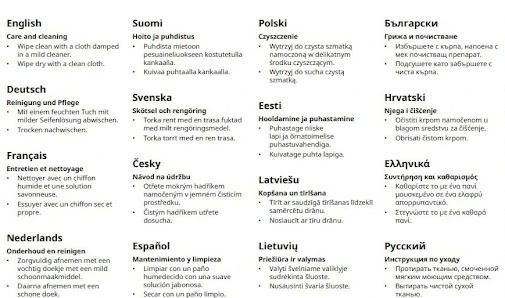
Image credit @ Ikea
Compliance and Legal Documentation
Legal text carries specific obligations that don’t leave room for creative interpretation. Localization keeps the meaning and structure intact, so the document holds up the same way in every language it’s translated into.
What’s more, every website needs to include a privacy policy that explains how it protects user data from cybercriminals.
Apple’s privacy policy, for instance, is detailed and strict in English and in other languages in which it is localized. The structure, clauses, and legal meaning are kept identical in various iterations; check out the German localization below.
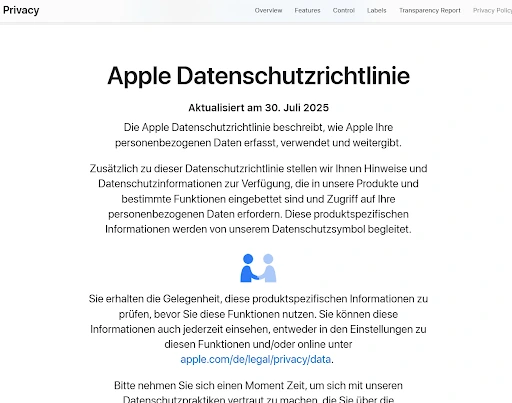
Image credit @ Apple
App and Interface Copy
Users interacting with a product’s interface are focused on completing a task, rather than being persuaded. Localization keeps buttons, menus, and settings labels clear and functional, so the experience feels familiar no matter the language.
Still, the brand voice needs to stay the same across different languages.
For instance, Spotify retains its recognizable visual identity in the same way on its homepage in English and in its Italian version.

Image credit @ Spotify
Configuration and Settings Content
Adjusting device settings needs to be equally convenient for a user in the US, South Africa, or South Korea. Creativity isn’t the main translation vehicle in this case, but concise and accurate localization. Localization prioritizes accuracy and consistency here, since creative turns would only get in the way of a simple task.
Speaking of South Korea, Samsung is present in the entire world, meaning the people behind this brand must treat all their markets with equal care. Two versions of the Quick Start Guide for North America come in English and Spanish. The content is translated and localized in a straightforward, user-friendly manner.
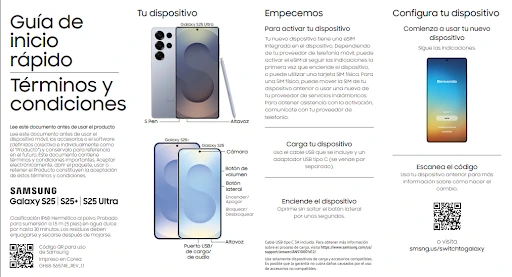
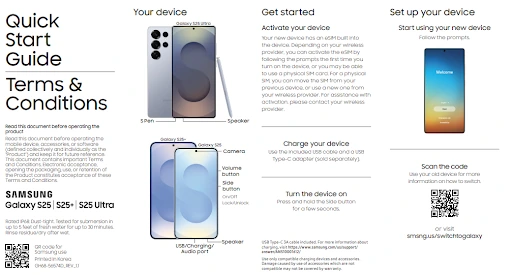
Image credits @ Samsung
Subtitles and Platform Interfaces
Streaming platforms mix functional content, like menus and settings, with narrative content, like scripts and dialogue. Localization handles the functional layer first, making the platform usable before any deeper cultural adaptation comes into play.
Netflix adapts subtitles, scripts, and dubbing features to different languages. They can’t just literally translate the content they stream. What’s more, they make a serious effort to localize their on-site content, so various audiences can access and consume this streaming platform more conveniently.
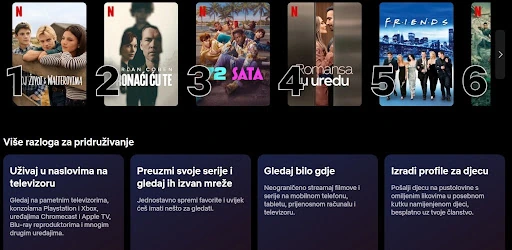
Image credit @ Netflix
In all five cases above, success means the message needs to be legible, accurate, and consistent. What’s more, aiming for creativity in these cases might even confuse the end user.
5 Use Cases Where You Need Transcreation
A business that wants to convey a deeper emotional message, raising awareness of their product or brand policy, typically needs transcreation. In this case, transferring only a message could lead to an undertranslation – including fewer details than necessary in the final product.
Taglines and Slogans
A slogan lives or dies by its rhythm and wordplay, which rarely survives a literal translation. It also needs to resonate with the particular local audience to have a proper effect. Transcreation rebuilds the phrase from scratch so it keeps its punch in the new language. Hence, globally present businesses usually have to adapt their slogans to different audiences, in line with the cultural and economic conditions in the field.
For instance, Haribo’s long-term tagline in German is “Haribo macht Kinder froh und Erwachsene ebenso.” Literally, this means “Haribo makes children happy, as well as adults”.
In English, the transcreated version is “Kids and grown-ups love it so, the happy world of Haribo”. The original tagline had to be adapted so that it preserves the rhyme and the rhythm, and still conveys the marketing message of the original.
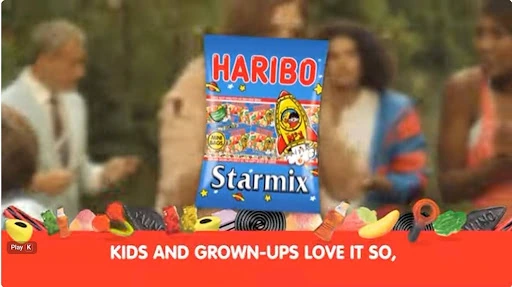
Image credit @ Haribo
Culturally-Rooted Campaign Transcreation
Finding a marketing anchor or association in the local language is a perfect nest for transcreation. Transcreation is looking for that local hook rather than forcing the original concept to translate directly.
Speaking of nest, Nestlé Japan carried out perfect transcreation for their KitKat campaign. Since there’s an expression kitto katsu in Japanese (きっと勝つ), meaning “You surely win”, applying transcreation was an obvious choice.
The original slogan “Have a break, have a KitKat” wouldn’t sound powerful enough in Japanese, while the transcreated version has made this campaign one of the most successful adapted campaigns in general, not only for Nestlé.
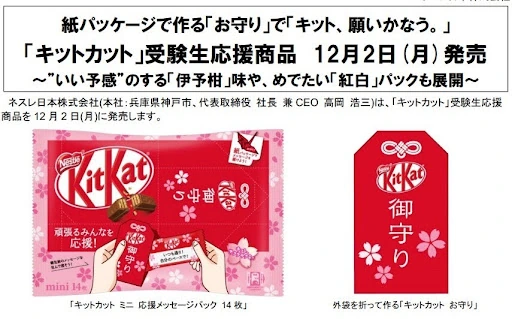
Image credit @ KitKat
Personalized Marketing Content
Personalization campaigns often hinge on details, like names, that don’t carry the same meaning across cultures. Transcreation adapts the mechanic itself so the campaign still feels personal in each market.
A person’s name is definitely one of their strongest mental associations. The marketing gurus from Coca-Cola realized in 2011 that printing people’s first names on bottle labels could be a smart idea. They did it first in Australia that same year, with the 150 most popular first names down under. Originally promoted under the “Share a Coke” umbrella slogan, this campaign has been adapted to 120+ markets so far.
What’s more, there’s even an option to request a customized bottle of Coke with a person’s name in case it’s not among the ones printed by the company. It hardly gets more personalized than this, at least on a global level.

Image credit @ Coca Cola
Adaptable Global Campaigns
A strong campaign concept can travel across markets, but its execution rarely can. Transcreation keeps the core idea intact while rebuilding the details around local humor and relevant faces.
Therefore, many brands develop a universal message or tagline only to adapt it to local humour, famous people, or social settings.
Snickers’ campaign under the slogan “You’re not you when you’re hungry” has become one of the most famous campaigns in the world in the last decade. The original slogan was adapted to various markets, with different celebrities taking part in the commercial variations. In line with that, Rowan Atkinson’s Mr Bean has become a memorable association of the Snickers chocolate bar.

Image credit @ Sneakers
Brand Voice and Personality
Some brands build their entire identity around a distinct personality rather than a product feature. When that’s the case, transcreation protects the character that makes the brand recognizable in the first place.
Duolingo is one of the most effective examples of appealingly executed transcreation across several markets. The company works with different social media accounts for different markets (German, Japanese, Spanish, French, Vietnamese, etc.). Their visually appealing owl logo is an outgoing socialite in Germany, while it’s a sweet and playful birdie in the content for the Brazilian market. Even the sentences inside the app aren’t just translated from one language to another – they’re genuinely written to grasp the feel of different languages.
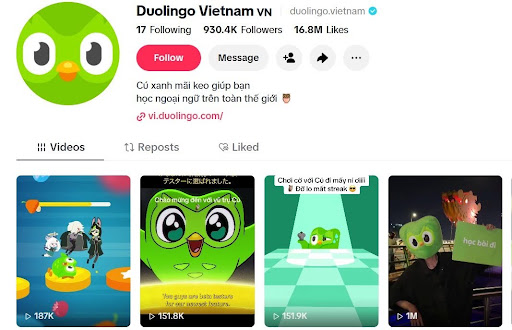
Image credit @ Duolingo
Localization vs Transcreation: How to Choose?
Since translation is rarely a mathematically strict process, it’s hard to tell at the beginning of a new project whether it will include only localization services or there will be a need for transcreation services, as well. But the following questions might help.
What’s the Purpose of the Content?
The first question LSPs need to ask themselves is what this asset is for. Tutorials, instructions, and documentation need to inform, rather than persuade. The localization meaning of clarity and function resonates better with such purposes. If sales and particular landing pages are part of the project, it will have to include transcreation storytelling, delving into the transcreation meaning of emotional resonance and persuasion.
What’s the Cultural Context?
The next criterion in deciding between transcreation and localization is the content’s cultural context. Using humour, idioms, and pop cultural references requires transcreation. Still, content aimed at close markets in the same language (think DACH) can often stay within the localization segment.
How Much Does the Brand Voice Matter?
The weight of the brand in question’s voice is another important checkpoint. If a brand’s recognizability is based on minute details (such as Duolingo), transcreation is a brand’s voice protector. Brands that build their voice on precision will often find localization good enough.
What’s the Budget and the Timeframe?
Choosing between localization and transcreation also depends on the budget and time interval. Localization is usually faster, ideal for high-volume projects (especially with the help of machine translation). Transcreation is usually slower and costs more, as it includes copywriters, brand managers, etc.
What’s the Brand’s Local Market Presence?
Finally, a new brand in a certain market will most probably need more transcreation to ensure winning over the new audience. Once established, localization can handle the content, with transcreation jumping in for new campaigns.
In the end, localization and transcreation are rarely two completely separate processes. It’s just a matter of the level of brand awareness and presence in a certain market.
Transcreation vs Localization: The Practical Distinction
| Localization | Transcreation | |
| Purpose | Adapt content so the existing experience works naturally and preserves meaning/usability in the new market | Recreate the idea to produce the same emotional impact and persuasive effect in the new market |
| Focus | Clarity, accuracy, and functionality | Emotion, tone, and cultural resonance |
| Approach | Retains content structure and proposition; adapts language, formats, and functional details | May replace headlines, humor, imagery, celebrities, or the entire execution |
| Content types / Use cases | UI microcopy, help docs, product pages, system messages, legal content, websites, apps, audiovisual content, payments, customer journeys | Marketing campaigns, taglines, video scripts, social media, landing page headlines, slogans, advertisements, campaign concepts, brand storytelling |
| Creativity level | Low to moderate; accurate, word-for-word translation | High; rewriting from scratch while preserving strategic messaging |
| Typical KPI | Usability, conversion, adoption, reduced friction | Recall, emotional resonance, engagement, brand preference, campaign effectiveness |
| Contributors | Translators, localization engineers | Copywriters, cultural consultants, marketing teams |
| Tone of voice | Neutral to brand-aligned, but limited by source phrasing | Flexible and expressive, matched to local audience expectations |
When Combining Localization and Transcreation Works
Localization and transcreation are two sides of the same translation coin. The only thing is that LSPs and businesses shouldn’t leave this choice to luck. On the contrary, seasoned translation professionals need to work together with their clients on setting the goals of every such translation project. When the client provides enough information, the LSP can suggest the right workflow. In a nutshell, localization should be used for heavy lifting and basic explanations, while transcreation comes for fine strokes and deeper connotations.
Using these two translation methodologies together, but not always at the same time, is typically the best possible practical utilization.
With many localization and transcreation projects under its belt in 20+ years in the translation industry, Ciklopea knows how to make your brand start speaking in different languages. Get in touch to find out more and ask for your personalized quote today.