


Scaling AI Across Multilingual Content: The Biggest Mistake Organizations Make
 Ciklopea
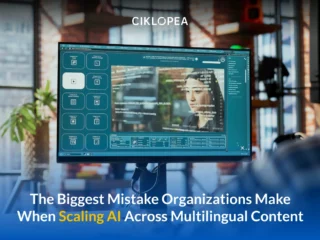
Organizations often ask how much multilingual content AI can handle. The more important question is whether every piece of content should be handled in the same way.


Streamline and centralize localization operations with our proprietary cloud-based translation business management system (TBMS).
Learn more →

Gain full visibility and control over your localization projects with our secure, user-friendly Client Portal.
Learn more →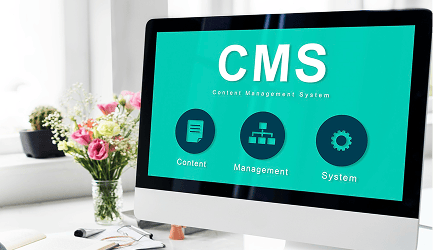

Seamlessly integrate your content management system with our language services.
Learn more →

Simplify multilingual document management by connecting your SharePoint environment directly to our translation workflows.
Learn more →

Accelerate high-volume language projects with scalable machine translation solutions designed for greater speed and efficiency.
Learn more →

Enhance linguistic quality, consistency, and productivity with AI-powered solutions built on advanced large language models.
Learn more →
Organizations often ask how much multilingual content AI can handle. The more important question is whether every piece of content should be handled in the same way.

In today’s interconnected economy, the difference between companies that thrive globally and those that struggle often comes down to one critical factor: how they approach language strategy and localization planning. While many organizations still rely on intuition or outdated market assumptions, forward-thinking companies are embracing a fundamentally different approach—one powered by data, precision, and strategic insight.

As large language models (LLMs) like GPT redefine how we translate and communicate across borders, one persistent issue remains: AI still struggles with South Slavic languages — especially Croatian, Serbian, Bosnian, and Slovenian.