
 IT and Software Localization Services
The fast-growing IT and software industry is in constant demand for professional language solutions to help companies communicate their messages to the global markets. Ciklopea provides the best software localization services, customized for every client to facilitate their international growth.
Our IT & Software Language Solutions
















Why Localize?
What is localization really all about? How does it help my business? Discover how our 3P Model helps you reach global markets with tailored localization strategies. From planning to production and performance - we've got you covered.
Why Clients Choose Us?
In a release-driven software market, where how easy and spot-on your product feels can make or break its success overseas, Ciklopea’s professional software localization services give you the confidence to launch globally without a hitch. We partner with IT and software companies to make sure their message lands clearly, no matter the market, handling everything from start to finish.
Most importantly, we safeguard quality right where it counts: in the live product itself. After integrating the localized elements, we dive into testing to check for crystal-clear communication, rock-solid consistency, pinpoint accuracy, and smooth usability in the target language, nipping any problems in the bud before customers see them.
We’re not just swapping out strings – we capture the full intent of your product, keeping your user experience, terminology, and messaging perfectly in sync across every market and release.


Frequently Asked Questions
What is included in software localization?
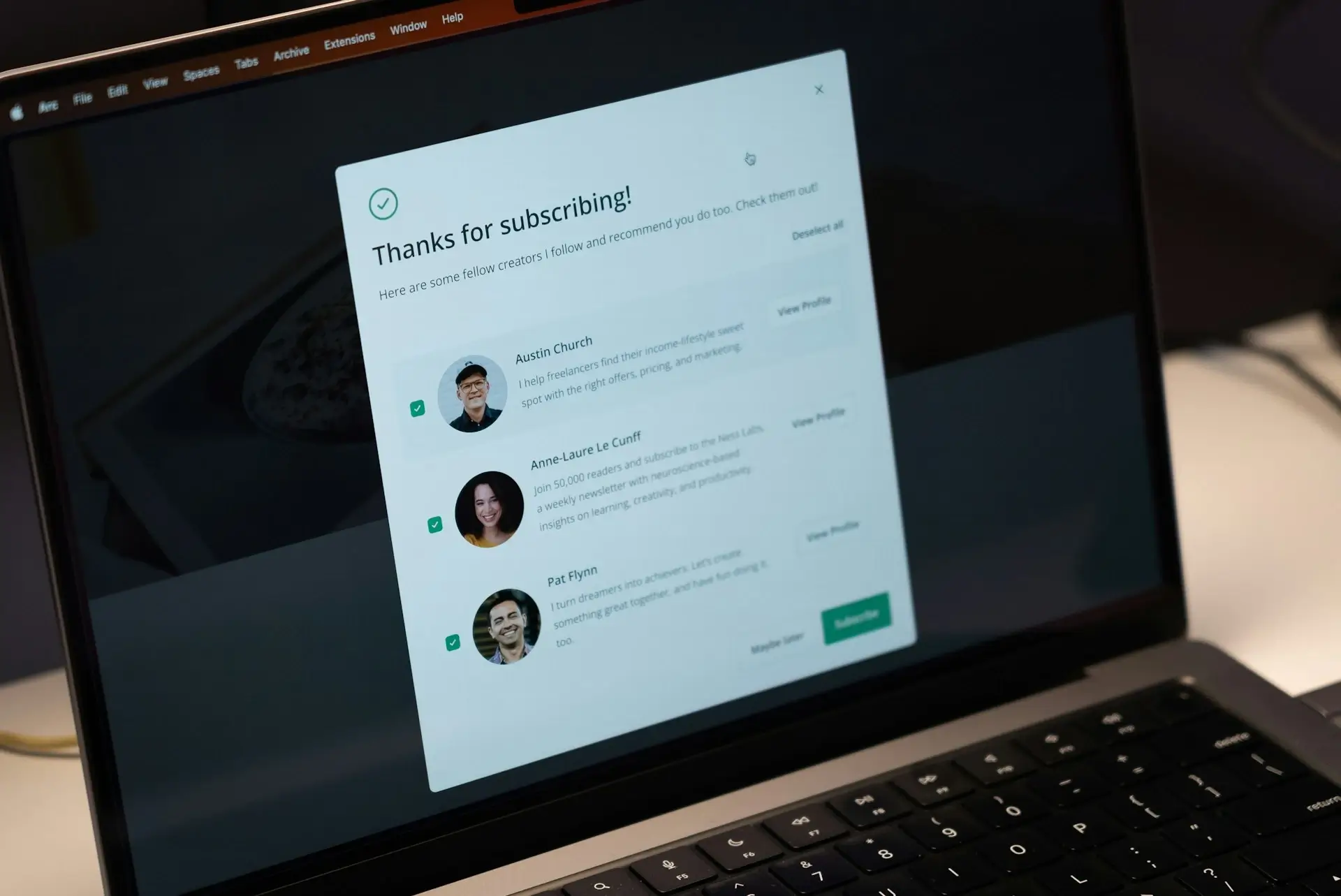
Software localization covers UI text and microcopy, messages, notifications, help content, error strings, plus adaptations for dates, numbers, currencies, units, and locale formats. We handle graphics with text, legal/regional needs, integration/build support like version control and resource files, and pre-launch linguistic QA, making your app feel natural in any market.
What parts of a mobile app need localization?
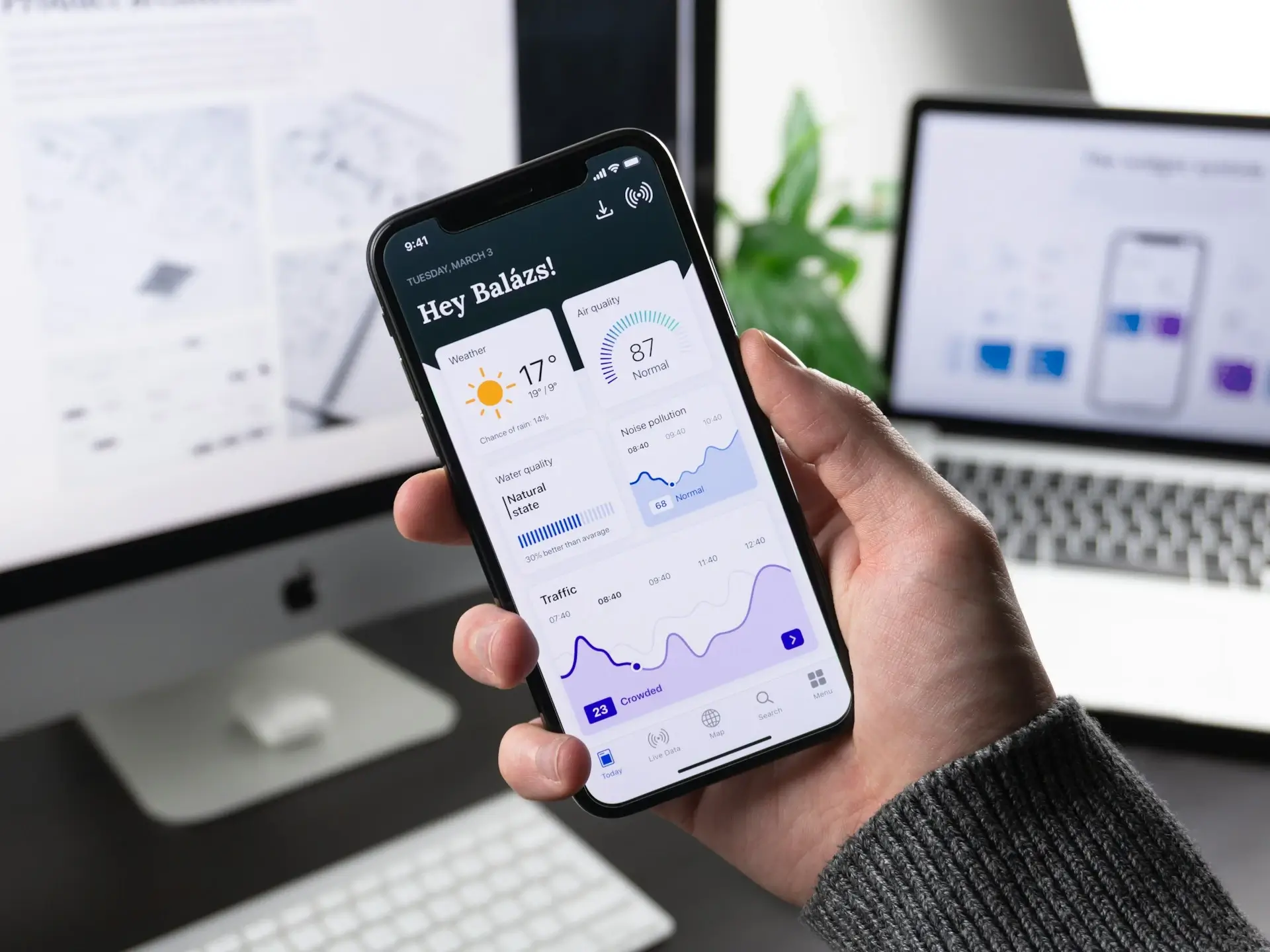
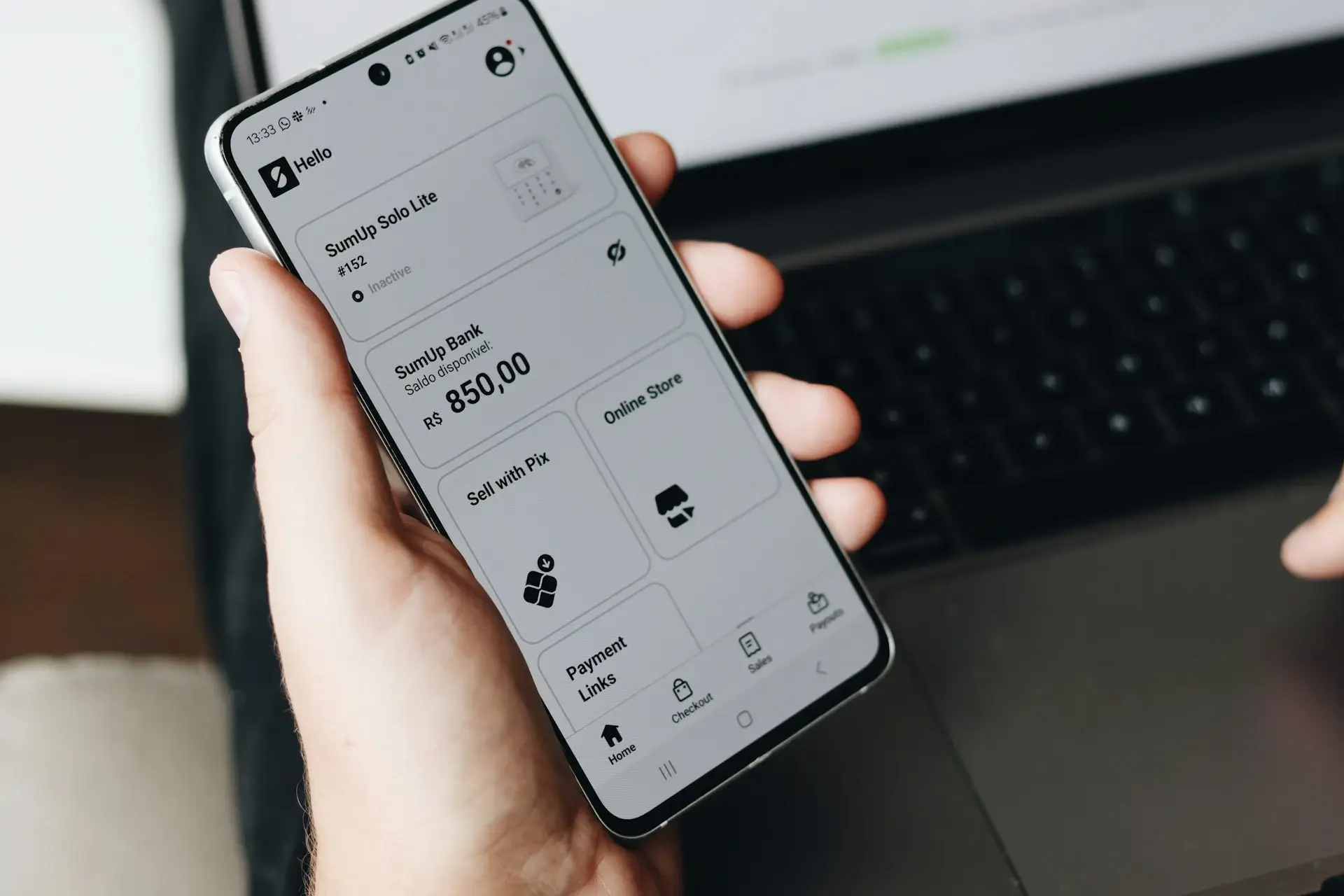
Mobile app localization includes UI strings (menus, navigation, buttons), push notifications, in-app and app-triggered messaging, errors, prompts, settings, privacy text, legal docs like terms and consents, help/FAQs, App Store details (title, description, keywords, screenshots), and onboarding and tutorials.
How do you test localized apps?
We test localized apps comprehensively: Linguistic QA ensures accuracy, fluency, terminology, tone, and context consistency; functional checks confirm strings load without crashes or layout breaks; UI validation covers truncation, line breaks, fonts, and RTL; locale tests verify dates, currencies, sorting, and inputs across OS versions and devices, with regression to protect prior work.
What is UI localization?
UI localization adapts interface text and elements like labels, buttons, menus, tooltips, dialogs, and microcopy for locale audiences. It fits the design limits (context, tone, space) and handles locale-specific behaviors like RTL (Right-to-Left), formatting, and fonts correctly.
What is LQA in localization?
Linguistic Quality Assurance (LQA) reviews localized content in context, scoring issues like mistranslations, terminology, grammar, style, consistency, and UI glitches. It delivers quality scores and defect reports to refine or approve releases.
How to automate website localization?
Automated website localization links your CMS to a TBMS via connectors/APIs for auto-extraction and re-import. Translation memory, terminology guides, and continuous rules are employed to run QA, detect changes, and publish at scale - slashing manual work, errors, and delays.
How does SEO localization differ from translation?
SEO localization optimizes ranking and conversions for the target market, with local keywords, headings, metadata, CTAs, and links to fully match search behavior. On the other hand, translation only ensures linguistic match, without covering the SEO strategy.